Why Florida attics need this
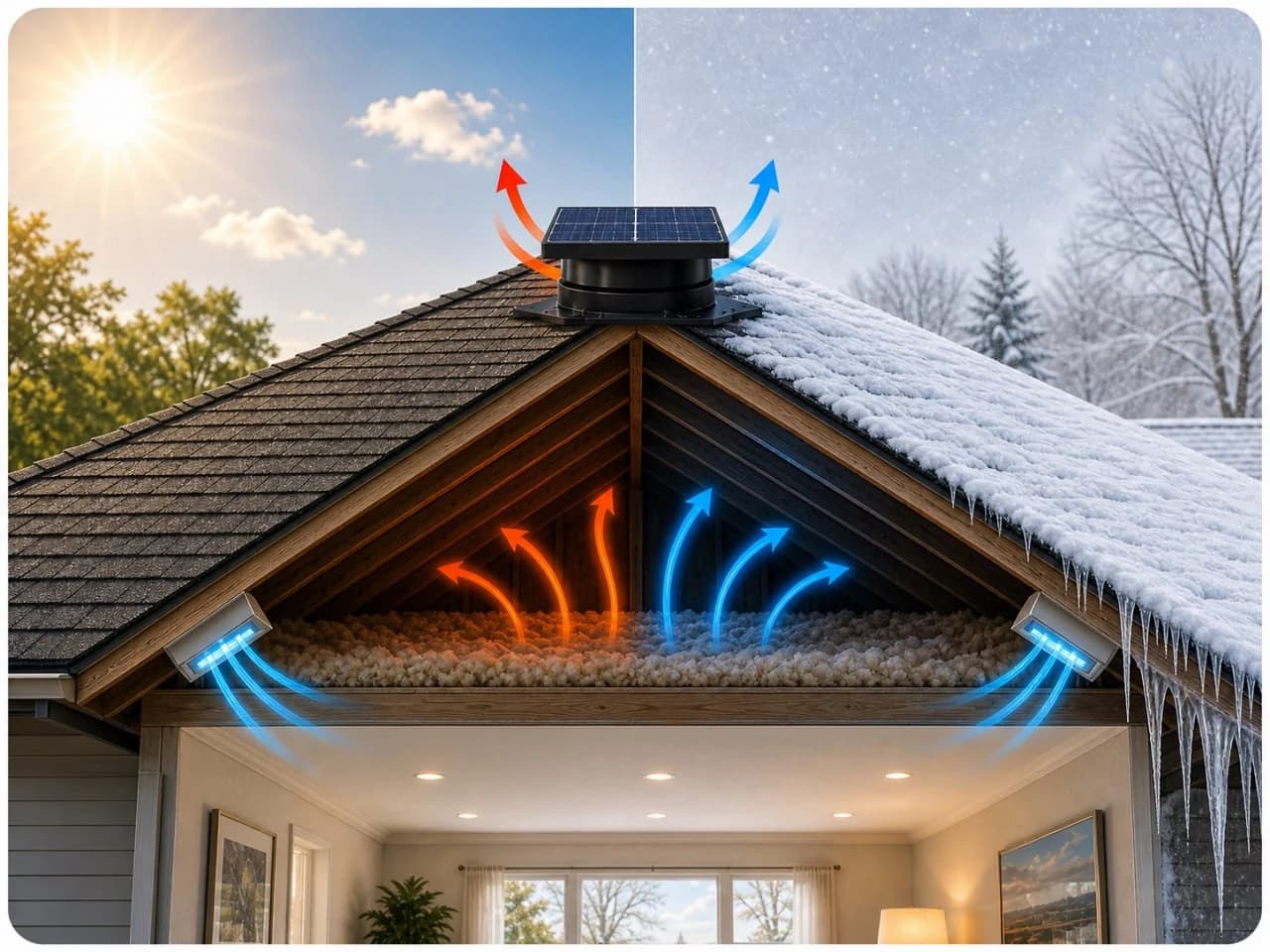
Florida heat does not take a season off. From Pensacola down to Key West, the Gulf and the Atlantic both pump warm wet air over your roof nine months out of the year. Attic probes in Tampa and Miami routinely show 145°F to 150°F by mid-afternoon in August. That is not just hot, it is hot plus humid, and that combination is what makes Florida attics so brutal on a home.
Trapped attic heat radiates straight down through your ceiling drywall into the bedrooms and the living room. Trapped attic moisture does worse. It condenses on the cold side of your AC ducts, feeds mildew on the joists, and quietly rots out the plywood deck under your shingles. In Florida you are not only fighting a power bill, you are fighting mold and rot at the same time. Your AC runs almost year round, and a roasting attic above it makes that AC work harder for less result.
What we install
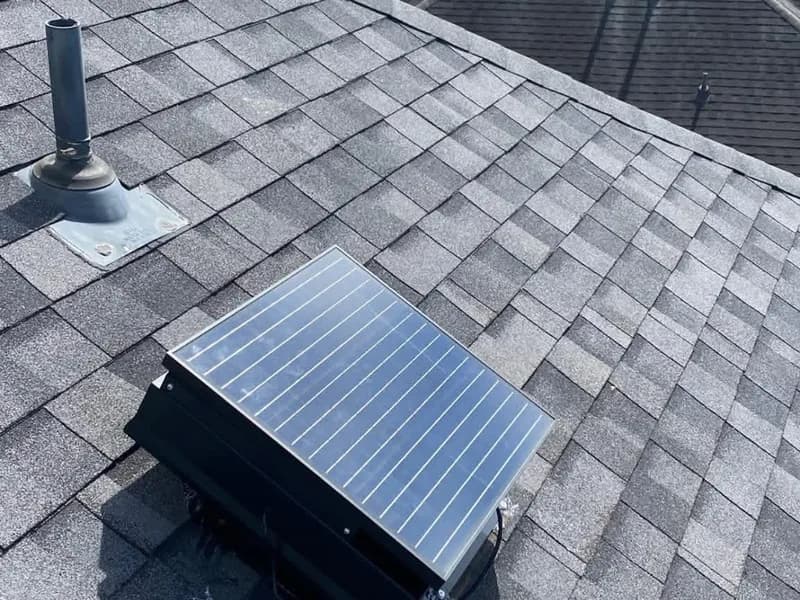
You get one solar attic fan, sized for a typical Florida home, paired with an authorized installer who does the install. The unit is a 30W solar attic fan with the solar panel built into the housing. The housing is corrosion-resistant aluminum, which matters more in Florida than almost anywhere else. If you live within five miles of either coast, salt-air will eat cheap steel hardware inside a season. Our unit is built to live there.
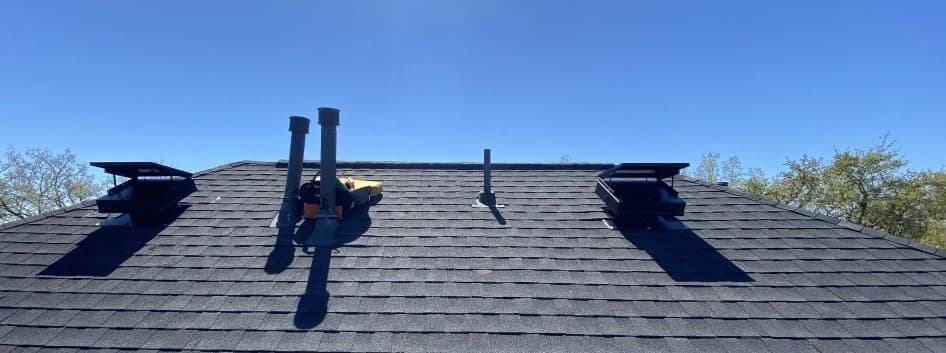
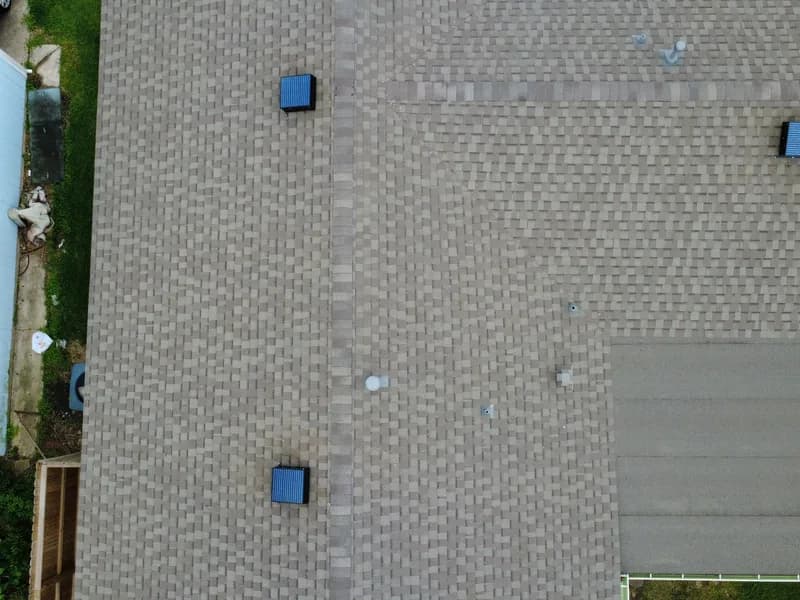
The installer mounts the fan on the back slope of your roof so it stays hidden from the curb. They cut a clean opening, seal it for hurricane-grade wind-driven rain, run a thermostat and a humidistat, and tie off the mounting hardware to the wind zone your home sits in. Professional install in a single visit. No electrician, no new circuit, no operating cost added to your bill. Sun hits the panel, the fan spins, and a lot of trapped attic air gets pushed out.
What you'll save
The average Florida home uses about 13,800 kWh per year, well above the national average, because AC runs almost every month. A typical Florida summer power bill sits near $320 in July or August. A lot of that money is your AC fighting an attic that is acting like an oven.
Owners who install a solar attic fan in Florida usually see a 15 to 25 percent drop in summer cooling cost (per U.S. Department of Energy residential cooling-load guidance). On a $320 August bill, that is $48 to $80 back in your pocket that month. Florida is different from drier southern states in one important way: your cooling season runs roughly April through November. That is eight months of savings instead of four. Across a full year the fan pays for itself well before its warranty runs out, and your shingles last longer because they stop cooking from underneath.
Real Florida install scenarios
Coral Gables, just south of Miami. A 1950s ranch with a low-pitched flat roof, original soffit vents, and salt-air rolling in off Biscayne Bay. The owner kept her thermostat at 76°F but the back of the house never dropped below 82°F by mid-afternoon. We placed the fan on the rear slope, used Miami-Dade rated mounting hardware for the high-velocity wind zone, and added a humidistat to pull moisture as well as heat. The back bedrooms now track the rest of the house within 1°F by sundown, and the master closet stopped smelling musty in week one.
South Tampa, near Bayshore. A two-story stucco home with composite shingles and an 11-year-old roof. Classic Hillsborough County build. The upstairs guest room was unusable from June through October because the second floor sat directly under a long unbroken run of attic. The solar fan, mounted on the back slope above the garage, pulled attic temp from 144°F down to 112°F within a week. The owner reported his August bill dropped from $361 to $283.
Winter Park, just outside Orlando. A brick colonial with dark architectural shingles and serious west-side sun exposure all afternoon. Attic probe in late July read 148°F. We placed the fan high on the back slope to catch the longest solar window, and the daily Orlando thunderstorm pattern actually helps here, because the fan rests during the rain and goes back to work the moment the sun returns. By August the owner texted to say her AC was cycling off during the worst part of the afternoon for the first time since she bought the house.
Built for Florida storms
Florida roofing standards are strict for a reason. After Hurricane Andrew flattened parts of Dade County in 1992, the state rewrote its roofing rules. Our installers use wind-rated mounting hardware everywhere it applies, including the Miami-Dade and Broward High-Velocity Hurricane Zone. Newer HOA communities in Orlando, Tampa, and Jacksonville have placement rules so the unit cannot be seen from the front of the home, and our installers default to back-slope placement, which clears almost every HOA rule we have seen.
You pick a date, the installer shows up, and your attic stops cooking.