Why New Mexico attics need this
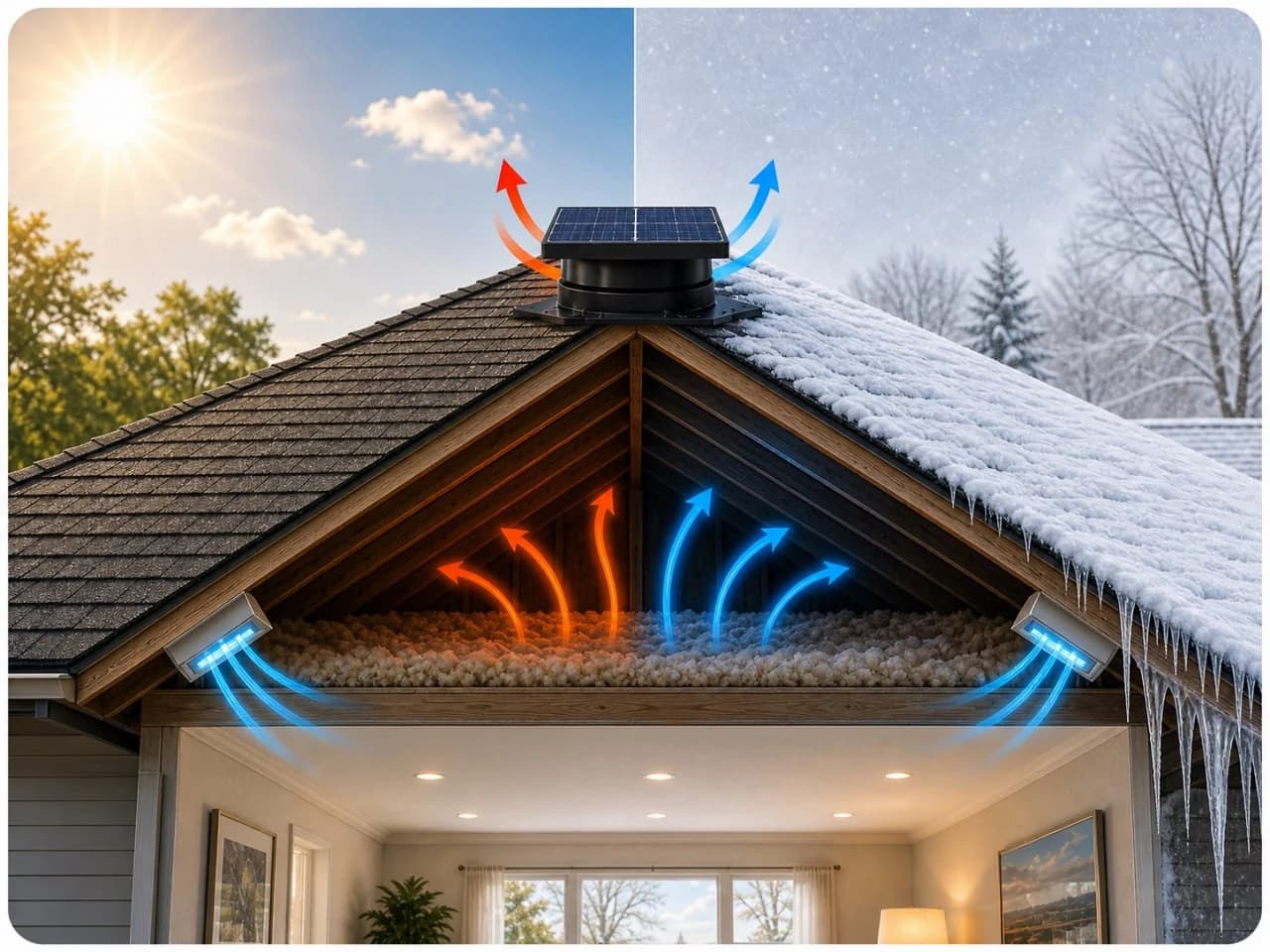
New Mexico's heat is dry, but the sun is brutal. At 5,000 feet of elevation in Albuquerque or higher in Santa Fe, the air is thinner and the UV is stronger, so even a 90°F afternoon cooks a roof harder than a 95°F afternoon at sea level. Probe readings under New Mexico shingles routinely hit 138°F to 145°F by mid-afternoon in July, and Las Cruces and Roswell push higher than that. The humidity is low, but the radiant heat through the deck is still serious.
That heat radiates straight down through your ceiling drywall into the bedrooms and the living room. New Mexico nights cool off fast, which is actually good news, but your attic is still releasing the day's stored heat well after midnight. Your AC or evaporative cooler runs longer than it should, and the attic above it is the silent reason. Monsoon season adds humidity for short bursts in July and August, and dust storms in the spring leave fine particulate in the attic that makes everything dirtier.
What we install
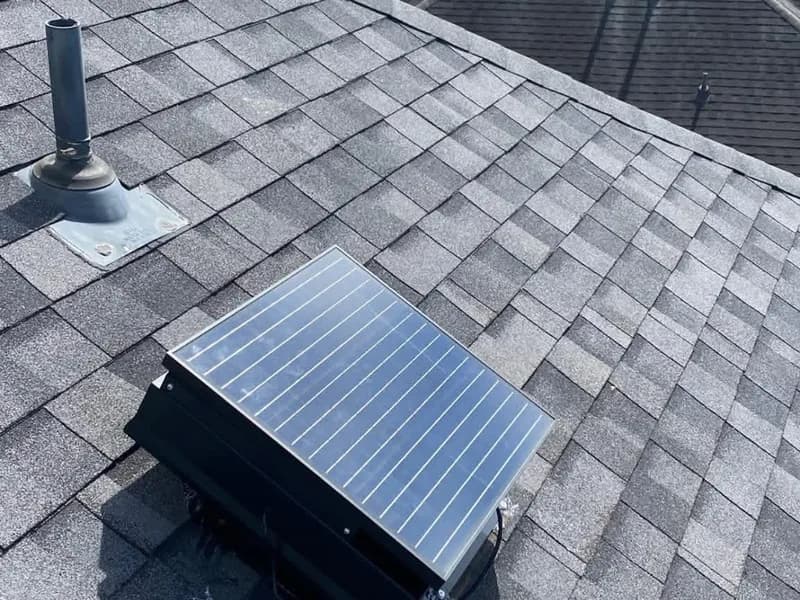
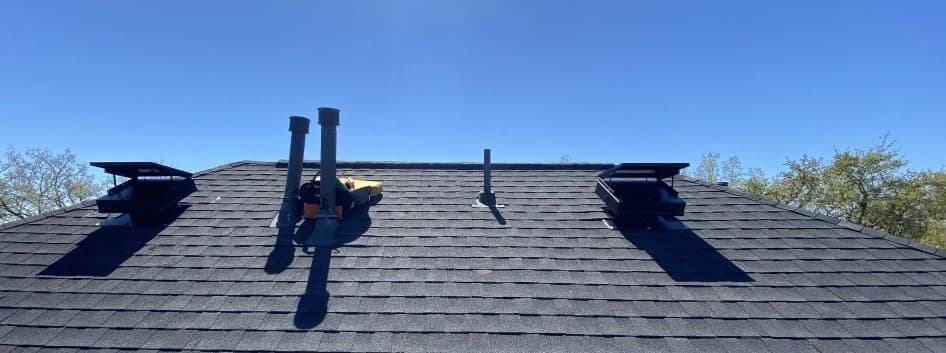
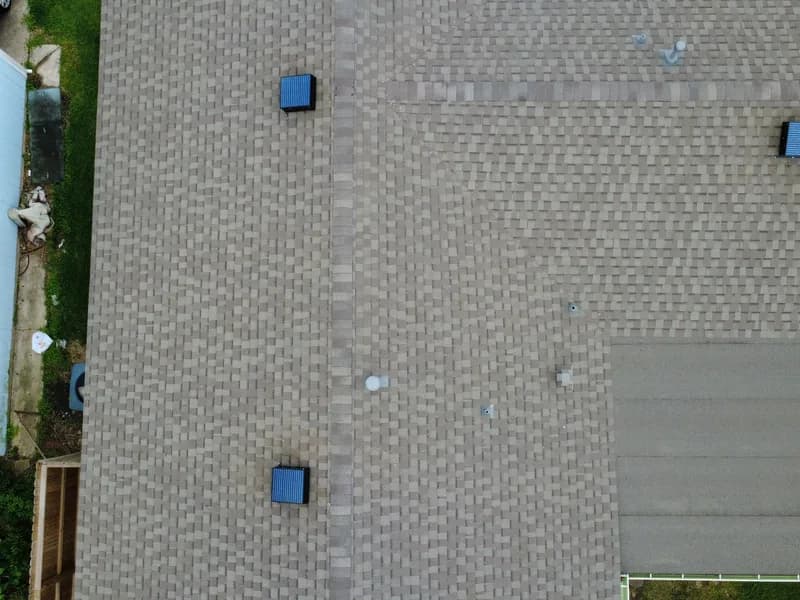
You get one solar attic fan, sized for a typical New Mexico home, paired with an authorized installer who does the install. The unit is a 30W solar attic fan with the solar panel built into the housing. New Mexico is the easiest place in the country to power a solar fan because the sun shows up almost every day. The unit mounts on the back slope of your roof so it does not show from the curb. The installer cuts a clean opening, seals it tight, runs a thermostat, and ties off the mounting hardware.
Professional install in a single visit. No electrician. No new circuit. No operating cost added to your bill. Sun hits the panel, the fan spins, and a lot of trapped attic air gets pushed out. When a monsoon storm rolls in over the Sandias, the fan rests. When the sun returns, it goes right back to work.
What you'll save
The average New Mexico home uses about 8,200 kWh per year, lower than the hot southern states because dry-climate evaporative coolers do a lot of the work and the cooling season is shorter. A typical New Mexico summer power bill sits near $160 in July or August, and the AC or swamp cooler is doing most of that.
Owners who install a solar attic fan in New Mexico usually see a 10 to 20 percent drop in summer cooling cost (per U.S. Department of Energy residential cooling-load guidance). On a $160 August bill, that is $16 to $32 back in your pocket that month. The bigger long-term win in New Mexico is shingle life. High-altitude UV is rough on asphalt shingles and a cooler attic stretches roof life noticeably. Owners in Albuquerque and Santa Fe often report the deck-rot and curling-shingle problems they expected to deal with in year 15 simply did not show up.
Real New Mexico install scenarios
Northeast Heights, Albuquerque. A 1980s pueblo-style ranch with composite shingles on the sloped section and serious afternoon sun off the west-facing roof. The owner kept the swamp cooler running but the back bedrooms still ran 5°F hotter than the rest of the house. We placed the fan on the back slope, and the attic dropped from 141°F to 107°F within a week. The owner reported the swamp cooler started cycling off in the late afternoon for the first time since she moved in.
Mesilla, just outside Las Cruces. A 1990s stucco home with dark architectural shingles on the limited pitched section over the bedrooms. Attic probe in early July read 144°F. The west-side bedroom was unusable from 2pm to 8pm. The installer placed the fan high on the back slope to catch the long Chihuahuan Desert afternoon sun, and the bedroom dropped within 3°F of the rest of the house by August. The owner reported the July power bill dropped from $189 to $147.
Eldorado, south of Santa Fe. A 2000s southwestern build at 7,000 feet of elevation with intense high-altitude UV and a long unbroken attic run. The owner had already noticed early shingle curling on the south slope and was researching a roof replacement five years earlier than expected. After install, the attic cooled dramatically by the same hour of the day, and the south-slope shingles stopped degrading visibly through the rest of that summer.
Installed by New Mexico authorized installers
New Mexico installers know two things really well: intense sun and stucco transitions. Our installers default to back-slope placement, which keeps the unit invisible from the curb and clears almost every HOA rule in Rio Rancho, Eldorado, and the newer Albuquerque northeast subdivisions. Older adobe-style homes and pueblo-revival builds often have limited pitched roof area, and the installer picks the highest unshaded section of that area for best solar exposure. Dust filtration on the fan housing matters more here than almost anywhere, and our installers check it during the install.
You pick a date, the installer shows up, and your attic stops cooking.