Why North Dakota attics need this
North Dakota is the seasonal-swing capital of the Lower 48. Fargo sits at 902 feet on the Red River Valley floor. Bismarck is at 1,686. Minot is at 1,549. Summer highs run 84°F to 90°F across the eastern half of the state, but attic probes in Fargo and Grand Forks regularly read 120°F to 130°F by 4pm in July. The humid plains air rolling up from the south traps heat under the roof deck the same way a sealed greenhouse does, and a typical Red River Valley July afternoon can swing 30°F in a few hours when a thunderstorm rolls through. The attic flexes through every swing.
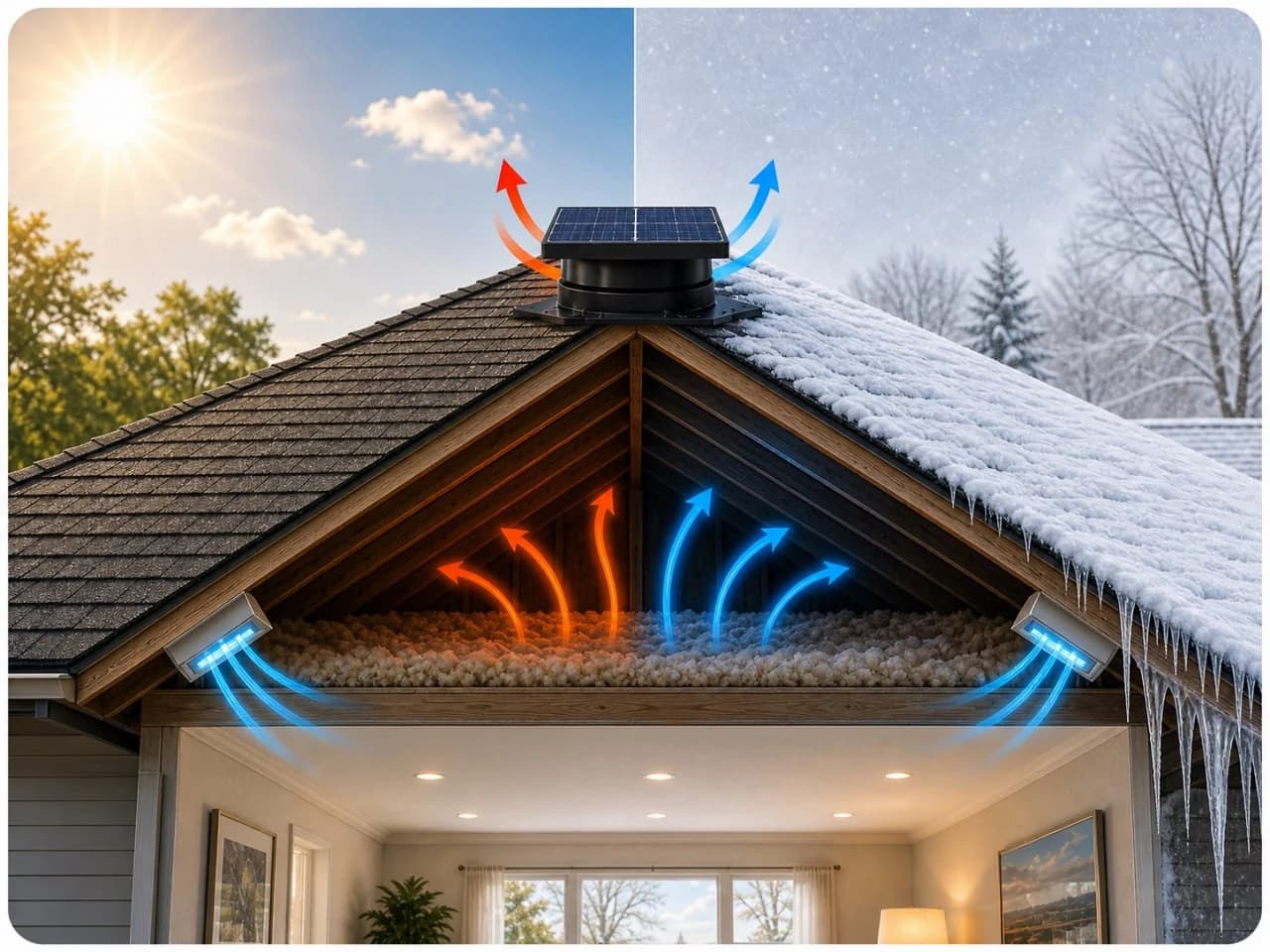
The other North Dakota story is winter. The same attic that hits 130°F in July hits 5°F or colder for weeks in January. That swing is the widest annual range in the country, and asphalt shingles installed in Bismarck or West Fargo often need replacement at 15 to 18 years instead of 25 because of it. The real winter problem is moisture. Damp warm attic air condenses on cold sheathing all winter, and the resulting ice damming along the eaves is one of the most common repair calls in the state. Heavy snow load presses moisture into vents that were never sized for it, and spring thaw turns trapped moisture into mold. The same solar fan that handles July heat also vents winter and spring moisture, which is the difference between dry sheathing and rotten sheathing under six months of snow.
What we install
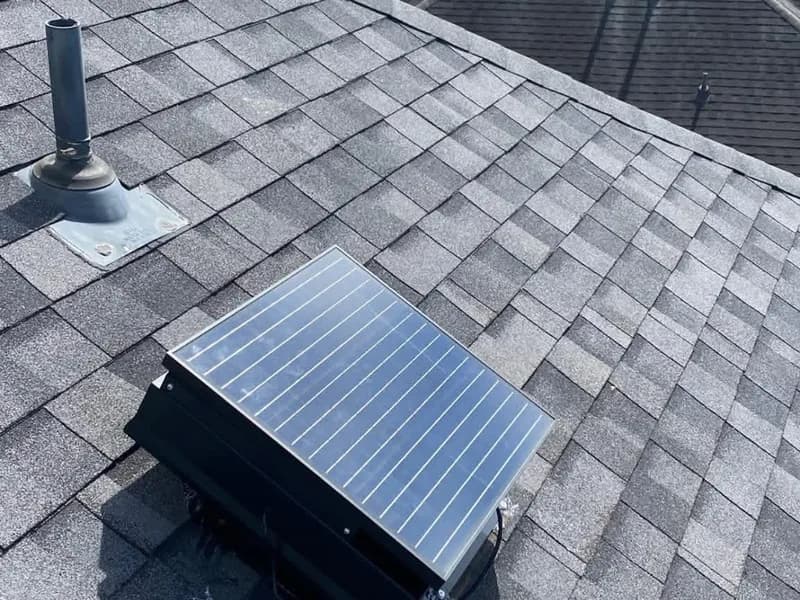
You get one 30W solar attic fan, sized for a North Dakota home, paired with an authorized installer who handles the install. The solar panel is built into the housing. The unit is UV-stabilized and the flashing kit is rated for the kind of wind-driven snow that builds up on the Red River Valley.
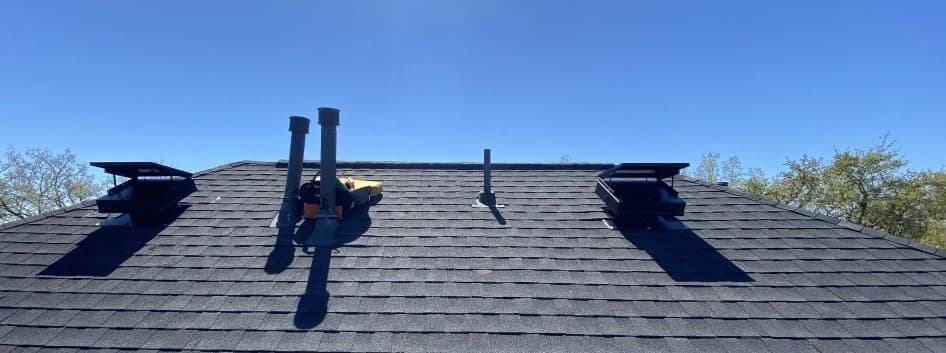
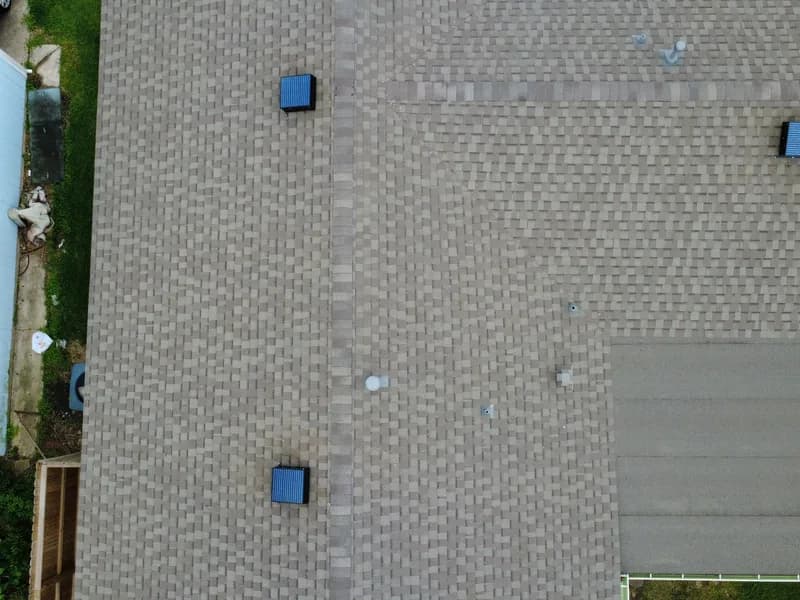
The installer mounts the unit on the back slope so it stays hidden from the road, cuts a clean opening, seals it for plains wind and hail, runs a thermostat and a humidistat, and ties off the flashing with extra attention to snow uplift. Professional install in a single visit. No electrician. No new circuit. Sun hits the panel, the fan spins, hot attic air moves out in summer and damp warm air moves out in winter.
What you'll save
The average North Dakota home uses about 11,400 kWh per year, higher than the mountain states because of long brutal winters. A typical summer power bill sits near $170 in July or August. Cooling load runs roughly mid-June through August, and the rest of the year heating dominates.
Owners who put a solar attic fan on a North Dakota home usually see a 10 to 18 percent drop in summer cooling cost (per U.S. Department of Energy residential cooling-load guidance). On a $170 August bill, that is $17 to $31 back. The longer-game payoff in North Dakota is split between two seasons. Asphalt shingles often need replacement at 15 to 18 years because of the seasonal swing. Cool the attic dramatically and you buy years back. The winter story matters even more. The same fan vents damp attic air all winter, which is the difference between an ice-free eave and a $4,000 ice dam repair bill in March.
Real North Dakota install scenarios
Fargo, Hawthorne neighborhood. A 1920s brick foursquare in the Hawthorne historic district off 4th Street with original wood trim, a steep roof, dark architectural shingles installed in 2013, and full afternoon sun across the valley floor. The owner kept her thermostat at 75°F but the upstairs front bedroom hit 83°F by 5pm in late July. We pulled an attic probe reading of 127°F on an 89°F afternoon with humidity over 70 percent. The installer set the fan on the back slope so the Hawthorne streetscape stayed clean. Two weeks later the probe was reading 104°F at the same hour. The owner called us back in March to say her ice dam was visibly smaller than the previous winter.
Bismarck, north of downtown. A 1980s ranch on the north side near the Missouri River with original soffit vents, low-pitched roof, dark composite shingles installed about 12 years ago, and brutal afternoon western sun off the open plains. The attic was trapping 128°F by 4pm in early August. We mounted the solar fan on the back slope above the garage. The owner reported his August bill dropped from $188 to $148 and the upstairs became workable in the afternoon for the first time in three summers.
Pelican Lake. A 1990s cedar-sided lake home east of Detroit Lakes (popular weekend territory for Fargo and Grand Forks owners) with a steep roof, dark architectural shingles installed about 9 years ago, and full western sun off the water. The attic was reading 124°F on the install crew's probe in mid-July. The owner had already lost one plastic ridge vent to UV and was worried about winter ice damming when the cabin sat empty. We placed the solar fan high on the back slope below the ridge so it works year-round without anyone there to flip a switch. The owner texted us in late August: the upstairs bedrooms dropped from 80°F at 7pm to 73°F at 7pm, and his February ice line was noticeably smaller.
Installed by North Dakota authorized installers
North Dakota building stock leans on 1920s brick foursquares in Fargo, Grand Forks, and Bismarck, postwar ranches across Minot and Dickinson, 1980s splits around West Fargo, and rural farmhouses spread across the prairie and Bakken country. Most rural farmhouses run on a single ridge vent that was never sized for the attic volume, and most have already had at least one ice damming repair. There are very few HOAs in North Dakota. Back-slope mounting still keeps the install invisible from the road and gives the fan shelter from prevailing winter wind. You pick a date, the installer shows up, and your attic stops cooking in summer and stops sweating in winter.