Why Attic Ventilation Matters
Why Your Attic Gets So Hot
Attic heat is a building-science problem, not a mystery. Four things drive the temperature up there, and you can stack the same brand of shingles on two houses across the street from each other and get a 20-degree difference in attic temperature based on those four factors alone.
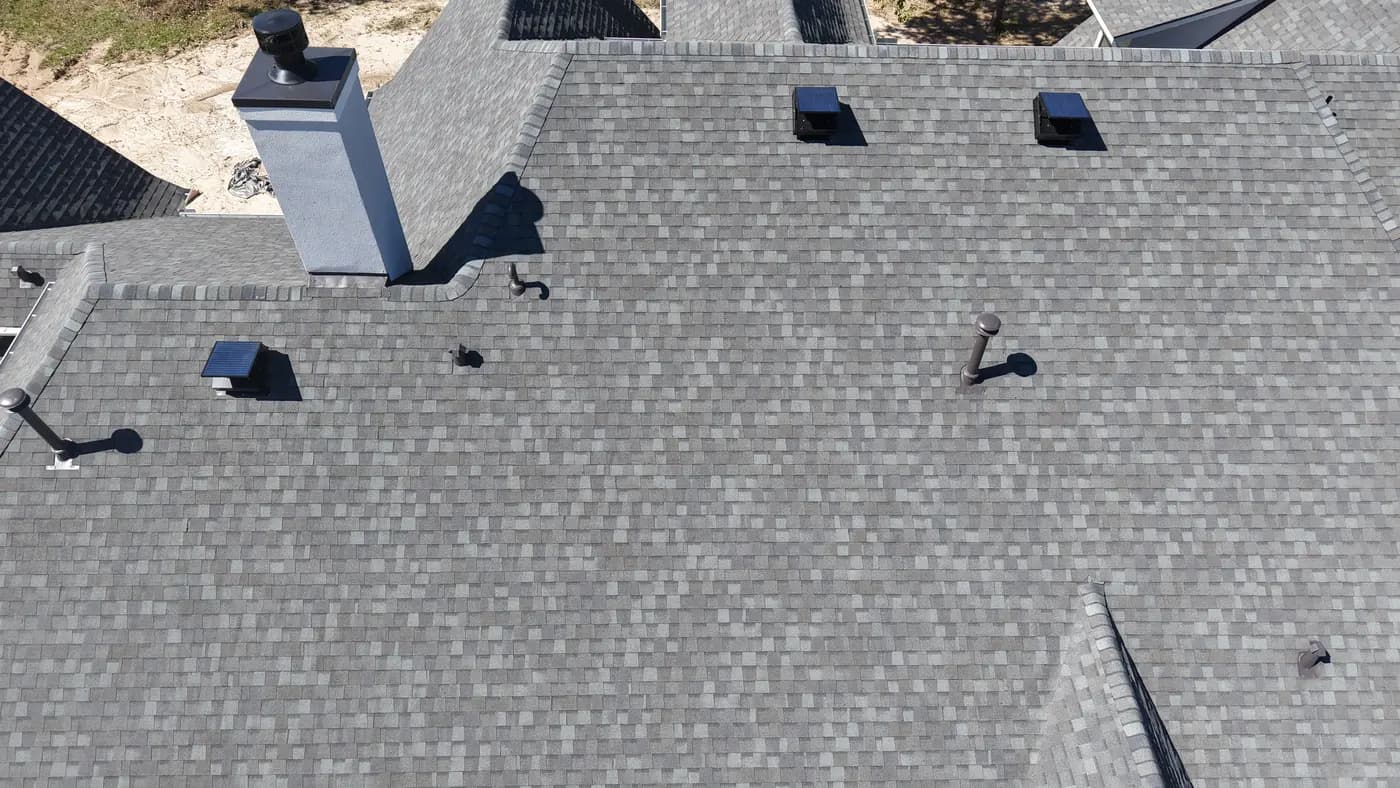
Attic heat is a building-science problem, not a mystery. Four things drive the temperature up there: roof color, shingle material, deck angle, and how long the sun beats on each slope. You can stack the same brand of shingles on two houses across the street from each other and get a 20-degree difference in attic temperature based on those four factors alone.
Roof color. Dark shingles soak up sunlight and turn it into heat. A black asphalt shingle in direct Phoenix sun can hit 170°F. A medium-gray shingle on the same roof might top out at 155°F. A light tan shingle stays closer to 140°F. The color sets the ceiling for how much heat ever gets to the deck underneath.
Shingle composition. Standard 3-tab asphalt shingles hold heat longer than architectural shingles because the mat is thinner and re-radiates faster. Metal roofs reflect more and cool down faster after sunset, but they still heat the deck during peak sun. Concrete tile, common in Phoenix and Tucson, soaks heat for hours and dumps it into the attic well after sundown.
Deck angle and orientation. A south-facing slope in Texas gets direct sun from 10am to 4pm in July. A west-facing slope gets the worst of the afternoon, when outside air is already at peak temperature. A low-slope roof (4-in-12 or less) gives the sun a more direct hit than a steep gable (10-in-12). Houses with big west-facing slopes always run hotter attics.
Sun load and humidity. Phoenix sees 300+ sunny days a year. Houston sees 200, but it adds Gulf humidity that turns the attic into a sauna. Both climates produce attic temps above 130°F for months at a time. Probe readings on Texas Hill Country installs routinely show 138°F to 145°F in late June, and West Texas crews have logged 152°F under dark architectural shingles. None of that heat has anywhere to go without a vent path designed to move it.
The math is easy to feel even without a probe. If the outside air is 95°F and your shingles are at 160°F, the deck under those shingles is sitting near 150°F. The plywood passes that heat right into the air below it. Your attic air ends up about 35 to 45 degrees hotter than the air outside, every afternoon, from early May to late September across most hot-summer states. That is not a freak day. That is the normal cooling-season pattern your roof goes through 150 times a year. Until you give that heat a way out, every one of those days adds to the wear on your AC and the wear on the deck.
What comes next
Hot air has to leave at the top. Cool air has to enter at the bottom. The two sides have to match. A 30W solar attic fan adds the active push most homes need to keep the attic from cooking in July and August. Read the rest of the guide or jump straight to the fan.
Signs of poor ventilation
Hot upstairs rooms, runaway power bills, stained roof decks. The clues to look for from the ground.
How ventilation works
Intake, exhaust, balance, airflow. The plain-English version of the chimney effect on your roof.
How solar fans help
Where an active fan changes the math, where it does not, and what you feel after install.
Myths and facts
Six things homeowners hear from neighbors and contractors. The truth from the roof.